
When Is the Right Time to Introduce Solids to Your Baby
- qadreya
- Dec 16, 2025
- 3 min read
Introducing solid foods to your baby is a big milestone that often raises many questions for parents. Knowing when to start solids can feel confusing, especially with so much advice available. Getting the timing right supports your baby’s growth, development, and enjoyment of new tastes and textures. This post will guide you through the signs to look for, the recommended age, and practical tips to make the transition smooth and safe.
Signs Your Baby Is Ready for Solid Foods
Babies develop at different rates, so watching for readiness signs is more important than strictly following the calendar. Most babies show clear signs between 4 and 6 months of age. Here are key indicators:
Good head and neck control: Your baby can sit up with minimal support and hold their head steady.
Interest in food: They watch you eat, reach for food, or open their mouth when food approaches.
Loss of tongue-thrust reflex: This reflex pushes food out of the mouth automatically. When it fades, your baby can move food to the back of their mouth and swallow.
Increased appetite: Your baby seems unsatisfied with milk feeds alone and may want to nurse or bottle more often.
If your baby shows these signs, it’s a good time to start introducing solids. If not, wait a few weeks and try again.
Recommended Age to Start Solids
Health experts, including the World Health Organization and the American Academy of Pediatrics, recommend starting solid foods around 6 months of age. Before this, breast milk or formula provides all the nutrition your baby needs.
Starting solids too early, before 4 months, can increase the risk of choking, allergies, and digestive problems. Waiting too long, past 7 months, may make it harder for your baby to accept new foods and textures.
First Foods to Try
When you begin, start with simple, single-ingredient foods that are easy to digest. Some good first options include:
Pureed vegetables like carrots, sweet potatoes, or peas
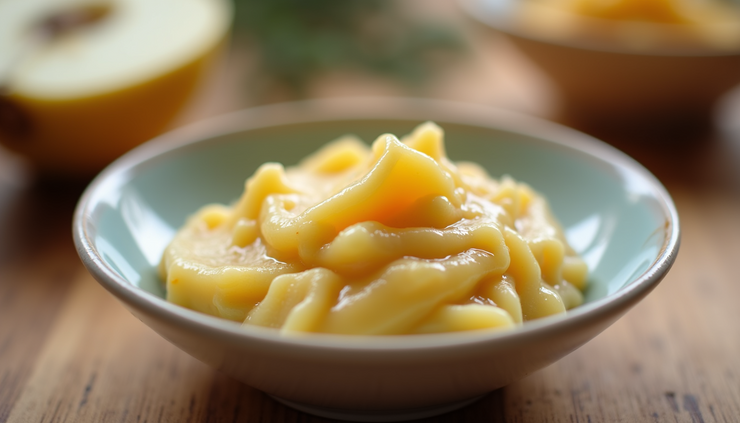
Mashed fruits such as bananas, avocados, or cooked apples
Iron-fortified cereals mixed with breast milk or formula
Offer one new food at a time and wait 3 to 5 days before introducing another. This helps you spot any allergic reactions or sensitivities.
How to Introduce Solids Safely
Start with small amounts: A teaspoon or two is enough at first.
Feed when your baby is calm and alert: Avoid feeding solids when your baby is tired or cranky.
Use a soft-tipped spoon: This protects your baby’s gums.
Never force-feed: Let your baby decide how much to eat.
Watch for choking hazards: Avoid hard, small, or sticky foods until your baby can chew well.
Common Questions from Parents
Can I start solids if my baby is 4 months old?
If your baby shows readiness signs and your pediatrician agrees, you can start introducing solids around 4 to 6 months. But 6 months is the safest and most recommended age.
What if my baby refuses solids?
It’s normal for babies to reject new foods at first. Keep offering a variety of tastes and textures without pressure. Sometimes it takes 10 to 15 tries before a baby accepts a new food.
Should I stop breastfeeding or formula when starting solids?
No. Breast milk or formula should remain the main source of nutrition until your baby is about 12 months old. Solids complement milk feeds and help your baby learn to eat.
Tips for a Positive Feeding Experience
Make mealtime relaxed and enjoyable.
Sit your baby upright in a high chair.
Use colorful, soft foods to attract interest.
Offer water in a sippy cup alongside solids.
Be patient and celebrate small successes.
Introducing solids is a journey that builds your baby’s skills and confidence. It also creates opportunities for bonding and exploring new flavors together.
Starting solids at the right time supports your baby’s health and development. Watch for readiness signs, follow expert guidelines, and enjoy this exciting stage of growth. If you have concerns, consult your pediatrician for personalized advice.

Comments